Southeast Asia Becomes a Key Growth Market for Affordable Cosmetic Brush Products
Southeast Asia: The Rising Hub for Affordable Cosmetic Brush Demand
Southeast Asia has emerged as a pivotal growth market for affordable cosmetic brush products, driven by a confluence of economic expansion, shifting consumer preferences, and the rapid rise of digital commerce. Recent industry reports indicate the region’s cosmetic brush market is projected to grow at a CAGR of 7.2% between 2023 and 2028, outpacing global averages. This surge is reshaping the landscape for manufacturers, particularly those specializing in cost-effective yet quality-driven products.
At the core of this growth is the expanding middle class. Countries like Indonesia, Thailand, and Vietnam have seen significant increases in disposable income, with millennials and Gen Z accounting for over 60% of the population. These demographics prioritize accessibility and value, making affordable cosmetic tools a staple in their beauty routines. Unlike Western markets, where premium brands dominate, Southeast Asian consumers often seek budget-friendly options that balance performance and price—a gap manufacturers of affordable cosmetic brushes are uniquely positioned to fill.
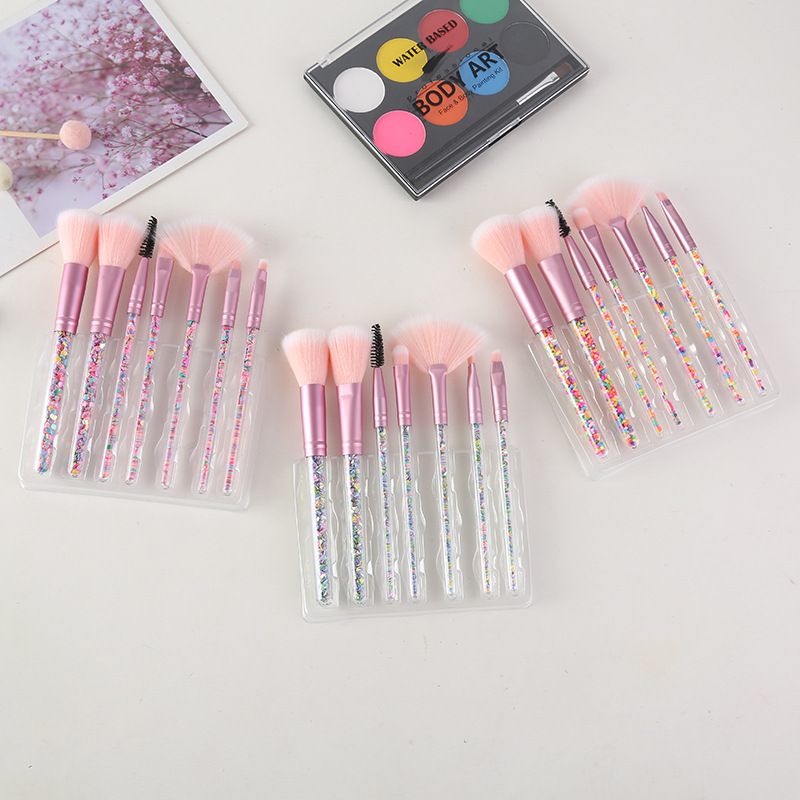
Social media and e-commerce platforms have amplified this demand. Platforms like Shopee, Lazada, and TikTok Shop have democratized access to beauty products, allowing small and mid-sized brands to reach millions. User-generated , including makeup tutorials and product reviews, has educated consumers on the importance of quality brushes, driving demand for tools that offer precision without the high cost. For instance, multi-functional brushes (e.g., dual-ended eyeshadow and blending brushes) have become bestsellers, as they cater to space-conscious and cost-savvy shoppers.
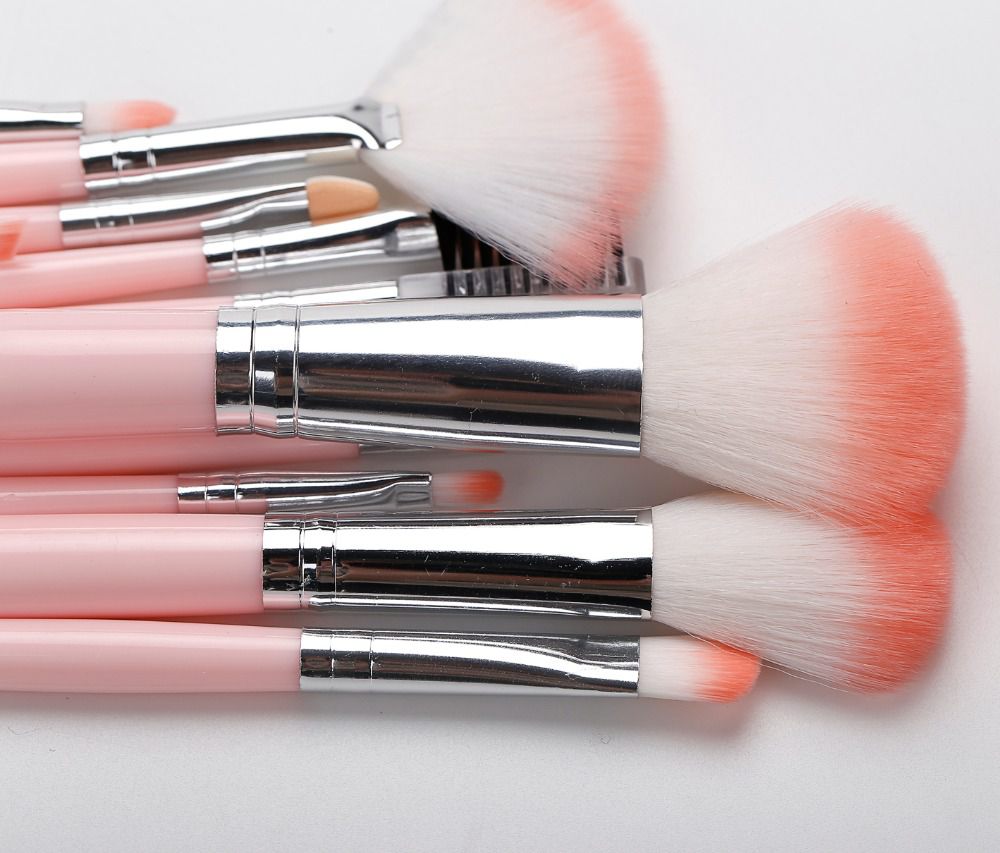
Material preferences in the region also play a key role. Synthetic fiber brush filaments are gaining traction over natural hair, aligning with ethical concerns and practicality. Southeast Asian consumers, increasingly aware of animal welfare issues, prefer cruelty-free options. Synthetic fibers, such as PBT (polybutylene terephthalate), offer durability, easy maintenance, and consistent performance—qualities that resonate with daily users. Manufacturers are responding by innovating synthetic filament technology, enhancing softness and bristle retention to match natural alternatives at a lower price point.
Production efficiency further fuels the region’s attractiveness. Many cosmetic brush manufacturers are optimizing supply chains, leveraging Southeast Asia’s manufacturing hubs for cost-effective production. Automated assembly lines and local sourcing of raw materials reduce overheads, enabling competitive pricing. For example, brush handles made from recycled plastic or bamboo not only lower costs but also appeal to eco-conscious consumers, a growing segment in markets like Malaysia and Singapore.
Looking ahead, sustainability and localization will be critical. Brands that adopt eco-friendly packaging and transparent sourcing practices are likely to gain an edge. Additionally, partnering with local influencers and tailoring products to regional beauty trends—such as brushes designed for traditional Southeast Asian makeup styles—can strengthen market penetration. As the region’s beauty industry matures, affordable cosmetic brushes are set to remain a cornerstone of growth, bridging accessibility and quality for millions of consumers.